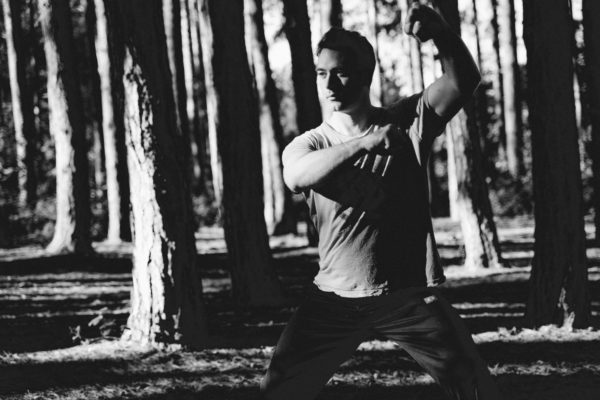
A system of Physiological Optimization and Internal Vitality
Neigong, or Internal Strength, serves as the nexus where meditation and physical exercise converge.
While most modern modalities often prioritize superficial muscular hypertrophy, Neigong focuses on the cultivation of internal efficiency.
It utilizes set postures and repetitive movements to build a foundation of vitality that exceeds simple athletic capacity, creating a physiological platform resilient enough to support the more subtle cognitive demands of the art.
The systemic impact of these internal processes is evidenced by several key biological refinements:
- Structural Expansion of Strength: The deliberate maintenance of specific postures and movements acts as a catalyst for expanding physical strength and systemic health beyond the limitations of external muscle mass.
- Mechanical Diaphragmatic Optimization: The practice utilizes a precise mechanical movement where the diaphragm expands “outwards and downwards” during inhalation and contracts “inwards and upwards” during exhalation. This rhythmic action provides a functional “massaging” effect on the liver, stomach, and intestines.
- Circulatory and Vascular Integrity: By stimulating blood circulation and the efficient transportation of nutrition, Neigong facilitates the expansion of blood vessels. This is a critical preventive measure against clinical pathologies such as thrombosis.
- Safeguarding Metabolic Substitution: Neigong provides a strategic safeguard for the process of “substitution”—the vital physical and chemical transformation of nutrients into energy and waste. Inefficient substitution is a primary driver of arteriosclerosis; thus, the practice ensures the “spark of life” remains unextinguished by systemic decay.
These internal physical refinements provide the necessary biological platform for the more subtle mental aspects of the art, ensuring the practitioner operates from a position of absolute physiological integrity.
Psychological Fortification and Mental Clarity
In the high-pressure environments of both traditional combat and modern professional life, a “tranquil mind” is a primary strategic asset. Neigong is the primary vehicle for achieving this state, embodying the Taoist ideal of “Tranquillity in Motion.”
The essence of the practice is to achieve a maximum effect from a minimum of effort by using thought to guide every action. This shifts the practitioner from a state of nervous reactivity to one of composed, decisive awareness.
The psychological benefits of Internal Strength transform the practitioner’s internal environment through several key developments:
- The Cultivation of Tranquillity: Through deep concentration on precision of movement, the practitioner achieves a sedative effect on the central nervous system, effectively reducing mental strain and nervous tension.
- Strategic Exclusion of Distraction: The development of internal “peace of mind” grants the practitioner the ability to exclude outside distractions, maintaining a clear operational focus regardless of external volatility.
- Cognitive ROI and Decision-Making: For the professional practitioner, the mental clarity gained through soft, slow practice is a catalyst for improved concentration and more effective decision-making in daily work.
- The Paradigm of “Brain over Brawn”: The practice enforces a strategic mandate where thought must guide every action, prioritizing cognitive precision over brute force to ensure efficiency of movement and intent.
This disciplined internal mental state finds its outward expression in heightened physical agility, allowing for a martial response that is both instinctive and decisively calibrated.
Structural Efficacy and Martial Agility
Internal Strength is one of the Five Interrelated Pillars of Tai Chi Chuan—standing alongside the Hand Form, Pushing Hands, Self-Defence, and Weapons.
Neigong is the engine that transforms theoretical knowledge into practical, decisive action, enabling the practitioner to embody the central strategic theme of “overcoming hardness with softness.”
The specific performance outcomes provided to the martial artist include:
- Joint Rotational Fluidity: The intentional relaxation of muscles and tendons facilitates a “smooth” rotation of the joints. This removes the “hardness” that inhibits movement, allowing the practitioner to meet force with fluid grace.
- Tactical Agility: By maintaining a relaxed state under pressure, the practitioner attains the “swift and agile” condition required for both effective defense and immediate counter-attack.
- The Yielding Principle: Neigong allows the practitioner to internalize the principle of “yielding” to survive superior force. This is grounded in the wisdom of Lao Tzu: “The unbending breaks.” Like bamboo, the practitioner bends before the wind only to swing back with decisive power once the pressure ceases.
- Reaction Integrity: Remaining relaxed in high-pressure situations ensures that reaction times remain rapid and unhindered by the physical “locking” often caused by stress.
These functional physical attributes are more than tactical advantages; they are closely linked to the traditional Taoist pursuit of systemic longevity and harmony with the natural environment.
Holistic Longevity and the “Tortoise” Respiratory Model
The power of Neigong is most evident in its unique respiratory methods, which contrast sharply with modern, high-strain exercise models that often “tire the lungs.”
Traditional Internal Strength utilizes the “tortoise” model of longevity. This is a biomechanical case study in efficiency: because the tortoise’s shell limits outward lung expansion, it is forced to expand its lungs longitudinally down the length of its body, resulting in deep, harmonious breathing and a legendary lifespan.
The systemic maintenance and longevity benefits are achieved through the following respiratory mandates:
- Longitudinal Breath Expansion: Practitioners model their respiration on the tortoise, favoring a “deep and harmonious” rhythm that prioritizes internal depth over shallow chest expansion.
- Vascular and Vital Organ Protection: By utilizing natural, unforced breathing, the practitioner protects the heart and lungs from the debilitating stress and strain typically associated with vigorous “external” athletics.
- The Tan Tien Extension: Breath is extended downward to the Tan Tin (a point 1 1/2” below the navel). This movement of the diaphragm keeps the internal organs working in a gentle, harmonious fashion, increasing the transportation of nutrition and circulation.
- Prevention of Systemic Exhaustion: By avoiding the “common” or “forced” breathing methods that tire the respiratory system, the practitioner avoids the long-term health decline associated with athletic burnout.
In this world renowned Neigong system we have 24 exercises, split into two sets of 12. One is known as the Yin set, the other Yang. We practice Yin exercises one day and Yang the next. You can practice just a few or the entire set of 12, which takes most people around an hour.