
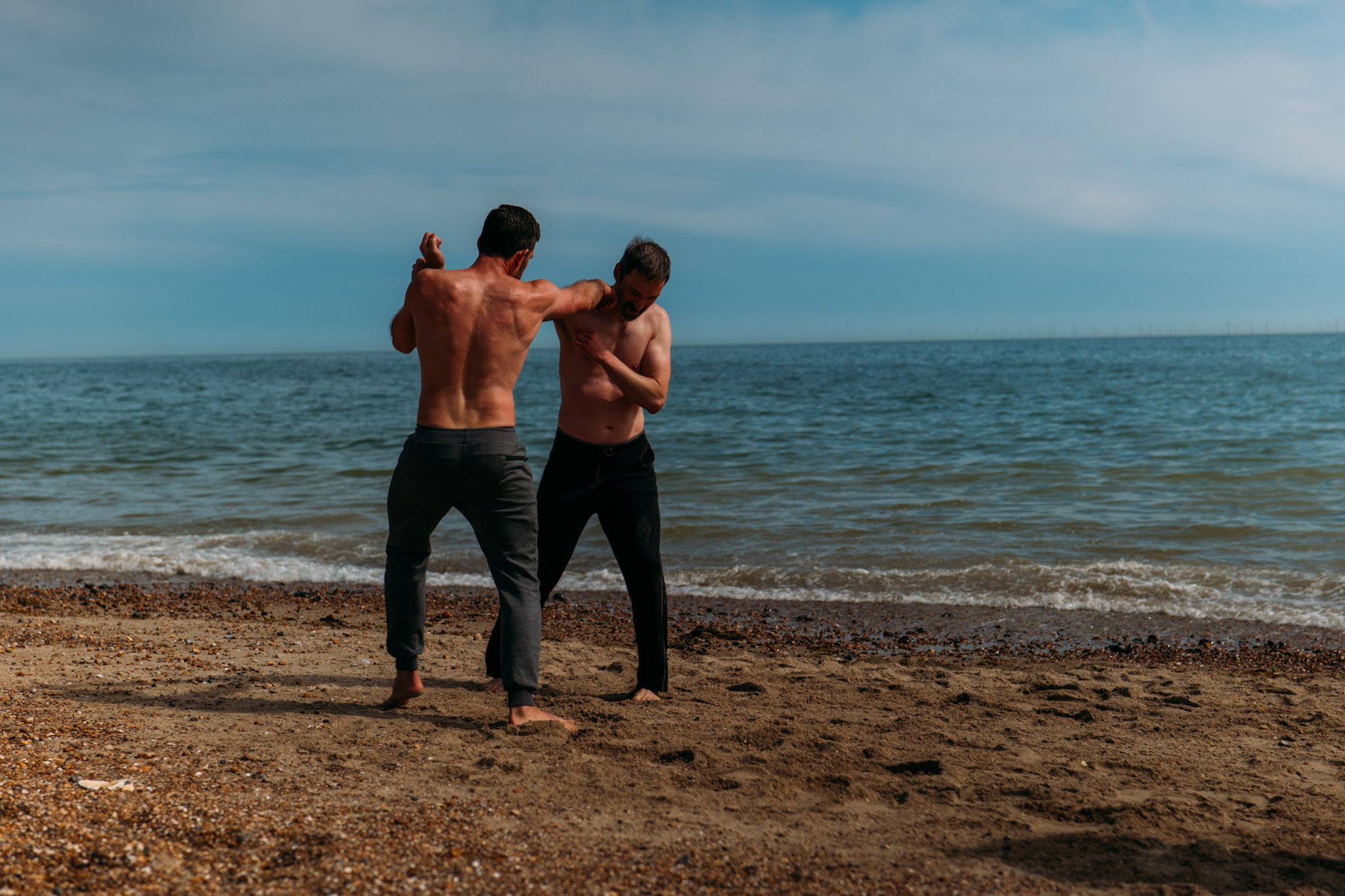
Tai Chi Self Defence course
Original price was: £333.00.£111.00Current price is: £111.00.
Description
Real self-defence, not choreography. This course teaches all 48 of Cheng Tin Hung’s original self-defence drills, exactly as they were trained. They’re straightforward to learn and just need practice with a partner. We also link the drills back to the forms themselves, so you understand not just what to do, but why it works.
Why “soft” beats “hard”
“From my vast experience in various martial arts over many years both in Muay Thai, ring fighting and teaching and Wing Chun as a practitioner and Sifu, I came across Neil’s 13 dynamics, after purchasing his online course to try out some of the fighting techniques, he then advertised a months trial training with him in Camden so of course I went. After attending his classes it gave me an insight into the applications of the Tai Chi 13 dynamics and supporting elements that makes this a very practical fighting style. Neil’s approach is both friendly, open and approachable. If your a serious martial arts practitioner or just wanting to get started I would highly recommend Neil and this system and you will be made most welcome.” – Dave Nichols
Most self-defence relies on meeting force with force — which favours whoever’s bigger, stronger, or more numerous. Tai Chi does the opposite: yield rather than resist, redirect rather than block, and use an opponent’s own momentum against them. In practice, that means:
- You move faster, not slower — softness generates more speed than rigidity, the same way a whip outpaces a stick.
- You feel an attack coming — “listening power” reads an opponent’s intent through touch, often faster than the eye can react.
- You spend less energy to do more — small, precise redirection unbalances an opponent rather than matching their force.
- You stay calm under pressure — a soft approach keeps the mind clear and decisive, instead of flooded with the tension and panic that cause real fights to be lost.
This isn’t untested theory. Cheng Tin Hung’s students went 31–1 across international full-contact competition through the 1970s, including the overall team title at the 1971 Southeast Asian Championships. The same principle — attacking an opponent’s structural weak points rather than their strength — has historical precedent going back centuries.
And unlike styles built on youth and raw power, this is a lifelong practice — refined skill, not muscle, is what makes it work at any age.
Related products
-
Sale!

The Tai Chi Neigong course
Original price was: £490.00.£333.00Current price is: £333.00. -
Sale!
-
Sale!
Wudang Tai Chi Chuan long form (square method)
Original price was: £69.00.£41.00Current price is: £41.00. -
Sale!
Tai Chi’s traditional special strength training
Original price was: £69.00.£41.00Current price is: £41.00.

Reviews
There are no reviews yet.